
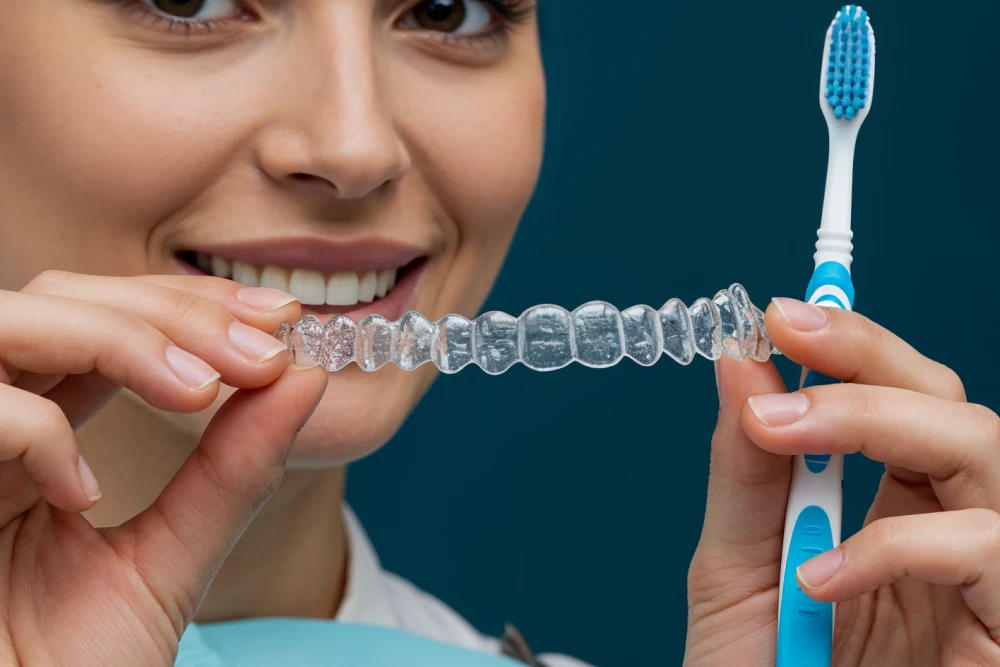
Clear aligners have transformed orthodontics for Australian adults and teens looking to straighten their teeth discreetly, comfortably, and efficiently. At Nunyara Dental, we provide ClearCorrect aligner treatment to help patients achieve straighter, healthier smiles without the inconvenience of traditional metal braces.
But to get the best results from your aligners, proper cleaning and maintenance are essential. Clear aligners sit over your teeth for more than twenty hours a day, which means plaque, bacteria, and staining agents have plenty of time to accumulate if the trays are not cared for correctly.
This comprehensive guide will walk you through how to clean your clear aligners, the best daily habits, dos and don’ts, and how to protect your oral health throughout treatment. For anyone considering treatment or already wearing aligners, this is your go-to resource.
To learn more about how clear aligners work, visit our blog, Straighten Your Teeth Without the Hassle: Discover ClearCorrect Aligners at Nunyara Dental, before reading further.
Table of Contents
- Why Clear Aligners Care Matters
- How Often Should You Clean Your Aligners
- Step by Step Guide to Cleaning Clear Aligners
- What Not to Do with Your Aligners
- Best Practices for Oral Hygiene During Treatment
- How To Keep Your Aligners Clear and Odour Free
- Travelling With Clear Aligners
- Protecting Your Aligners from Damage
- What To Do If Your Aligners Stain or Develop Build Up
- Related Nunyara Dental Articles
- Frequently Asked Questions
- Final Thoughts and Call to Action
1. Why Clear Aligners Care Matters
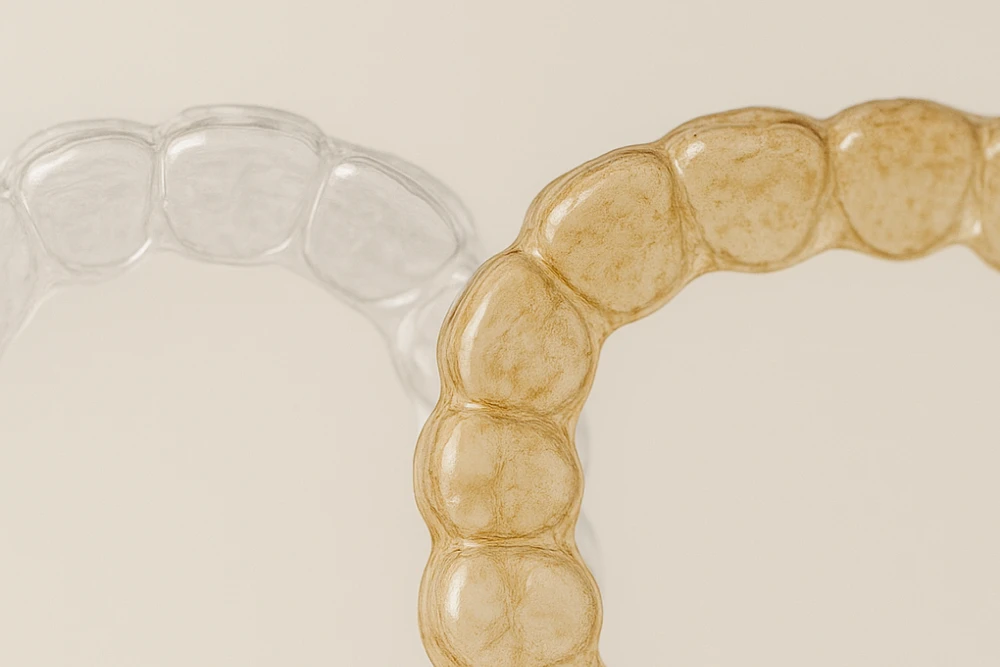
Clear aligners are designed to be transparent. Any plaque, food debris, staining agents, or bacteria that accumulate on the trays will make them cloudy, smelly, or yellow. Poorly cleaned aligners can:
- Affect the appearance of your smile during treatment
- Harbour bacteria that increase your risk of tooth decay and gum irritation
- Create unpleasant odours
- Slow your orthodontic progress
- Cause staining on your teeth underneath
Proper cleaning helps ensure a comfortable, hygienic, and effective orthodontic experience.
2. How Often Should You Clean Your Aligners
Clear aligners should be cleaned:
- Every morning after waking
- Every night before bed
- Every time you remove them before eating or drinking (a rinse is acceptable here)
Consistent cleaning prevents plaque and bacterial buildup and maintains clarity.
For more details on oral hygiene routines, see our post Why Dental Checkups & Scale & Cleaning Are Important.
3. Step-by-Step Guide to Cleaning Clear Aligners
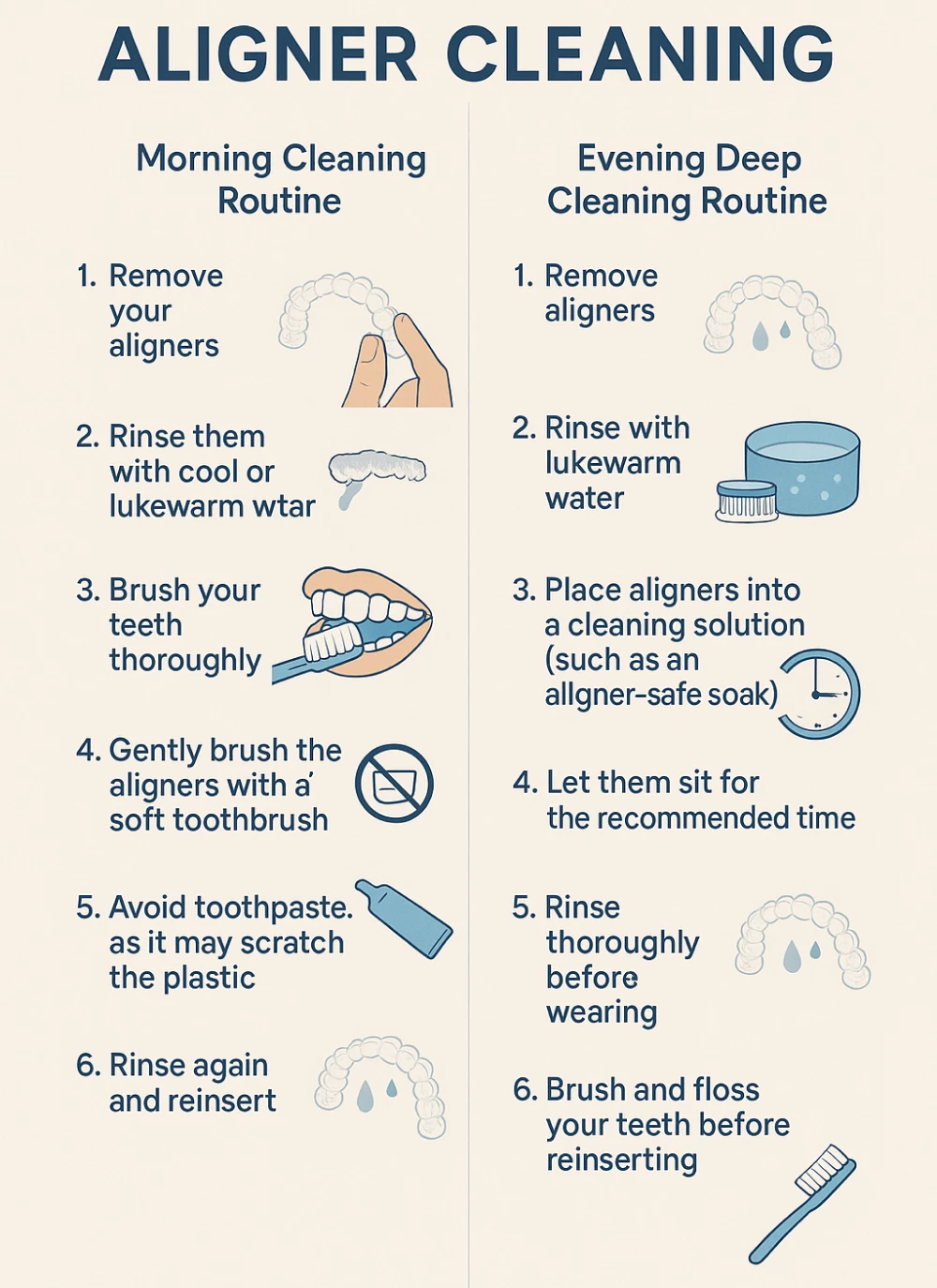
Below is the recommended cleaning routine used at Nunyara Dental to keep trays fresh, clear, and safe for your teeth.
Morning Cleaning Routine
- Remove your aligners
- Rinse them with cool or lukewarm water
- Brush your teeth thoroughly
- Gently brush the aligners with a soft toothbrush
- Avoid toothpaste, as it may scratch the plastic
- Rinse again and reinsert
Evening Deep Cleaning Routine
- Remove aligners
- Rinse with lukewarm water
- Place aligners into a cleaning solution (such as an aligner-safe soak)
- Let them sit for the recommended time
- Rinse thoroughly before wearing
- Brush and floss your teeth before reinserting
Cleaning solutions are particularly helpful for patients who produce more plaque or have a higher risk of staining.
Quick Cleaning Throughout the Day
Each time you remove aligners to eat:
- Store them in their protective case
- Rinse before wearing again
- Brush your teeth if possible
Avoid placing aligners back in your mouth after meals without rinsing or brushing, as this traps food particles against the teeth.
4. What Not To Do With Your Aligners
Here are the most common mistakes patients make during treatment. Avoiding these will keep your treatment on track.
Do not eat or drink with aligners in place
Anything other than water can stain or warp the plastic.
Do not rinse them in hot water
Heat can distort the trays, causing an improper fit.
Do not use toothpaste or abrasive brushes
These scratch the material and create cloudy patches.
Do not leave aligners loose on tables or napkins
Many get accidentally thrown away or damaged.
Do not soak aligners in mouthwash
Coloured mouthwashes often stain the plastic.
For alternatives to aligners, see our blog Clear Aligners vs Veneers: Which Smile Solution is Right for You.
5. Best Practices for Oral Hygiene During Treatment
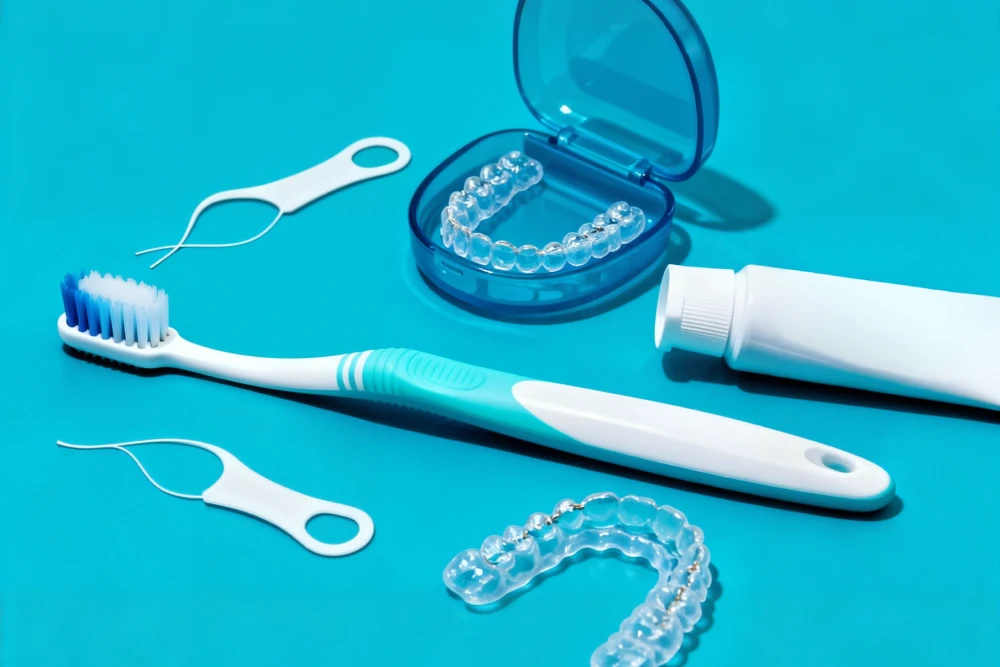
Since aligners fit snugly over the teeth, maintaining good oral hygiene is essential.
Daily requirements:
- Brush at least twice a day
- Floss every evening
- Rinse after meals
- Stay hydrated to reduce dry mouth
Proper hygiene prevents decay, staining, and foul odours.
Kids beginning orthodontics should develop strong hygiene habits early. See our article Cavity Free Kids: How Starting Dental Checkups Early Makes a Difference.
6. How To Keep Your Aligners Clear and Odour Free
A fresh set of aligners should always look clean and transparent. To maintain this:
Rinse thoroughly each time you remove them
This prevents saliva from drying and hardening on the plastic.
Use aligner-specific cleaning tablets once a day
These remove odour-causing bacteria.
Keep aligners away from smoke, coffee fumes, or strong odours
Plastic can absorb smells over time.
Brush your tongue regularly
This reduces the number of bacteria that can transfer to the trays.
7. Travelling With Clear Aligners
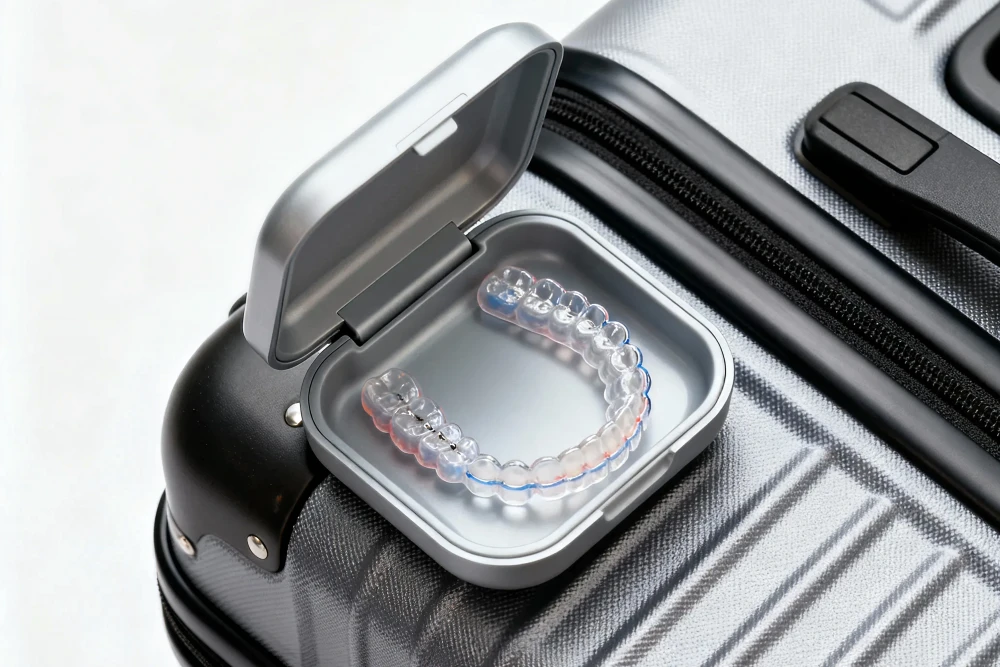
Patients often travel during treatment. Here are essential tips:
- Keep a travel-size oral hygiene kit
- Always bring your previous aligner set as a backup
- Store aligners in a hard case to prevent crushing
- Maintain your cleaning routine even when busy
- Set reminders for changing trays
- Avoid leaving aligners in hot cars
Treatment should not pause simply because you are away from Perth. Consistency is key.
8. Protecting Your Aligners from Damage
Your aligners are medical devices. To protect them:
- Keep them in their protective case
- Keep them away from pets (dogs especially love chewing aligners)
- Remove them gently using both sides of your mouth
- Avoid bending or flexing the plastic
If you have veneers or are planning cosmetic work soon, you may also want to review our guide The Veneer Application Process: What to Expect During Your Smile Transformation.
9. What To Do If Your Aligners Stain or Develop Build Up
Even with careful cleaning, aligners can sometimes become cloudy or discoloured.
Light staining
Use a gentle cleaning soak and brush with a soft toothbrush.
Heavy plaque buildup
Allow aligners to soak for a longer period in a specialised cleaner.
Deep stains
You may need a replacement set. Contact Nunyara Dental if this happens.
For patients considering a cosmetic alternative due to heavy staining concerns, see Instant Orthodontics: How Veneers Can Straighten Your Smile Without Braces.
10. Related Nunyara Dental Articles
Here are helpful links for further reading:
- Straighten Your Teeth Without the Hassle: Discover ClearCorrect Aligners at Nunyara Dental
- Composite vs Porcelain Veneers: Which Is Right for Your Smile Makeover?
- Why Dental Checkups & Scale & Cleaning Are Important
- Clear Aligners vs Veneers: Which Smile Solution is Right for You
- The Veneer Application Process: What to Expect During Your Smile Transformation
11. Frequently Asked Questions About Caring for Clear Aligners
12. Final Thoughts and Call to Action
Caring for your clear aligners is simple once you build the proper habits. Clean trays mean a healthier mouth, better treatment outcomes, and a more comfortable experience. At Nunyara Dental, we’re committed to helping every patient enjoy a smooth and successful orthodontic journey.
If you have questions about caring for your aligners or are ready to start ClearCorrect treatment, we would love to help.
Book your ClearCorrect consultation with Nunyara Dental today and take the next step toward a straighter, healthier smile.